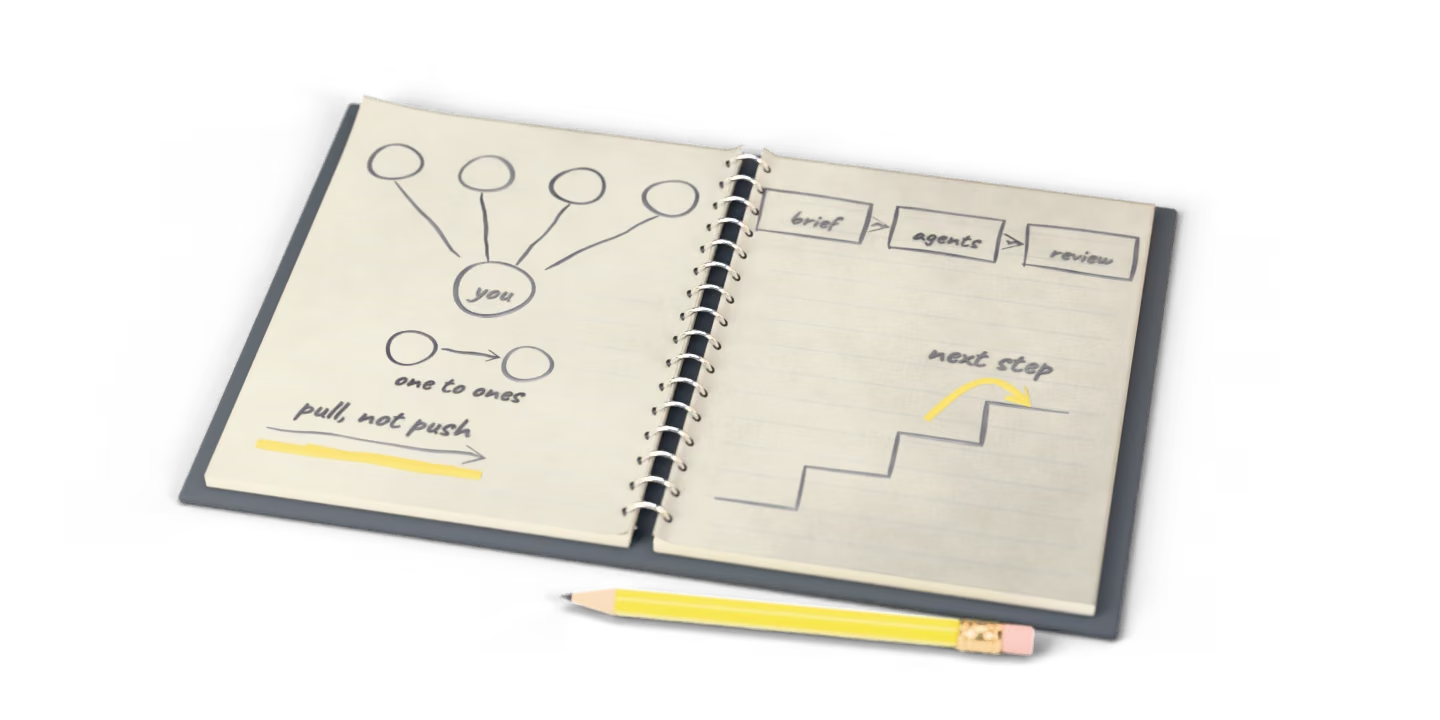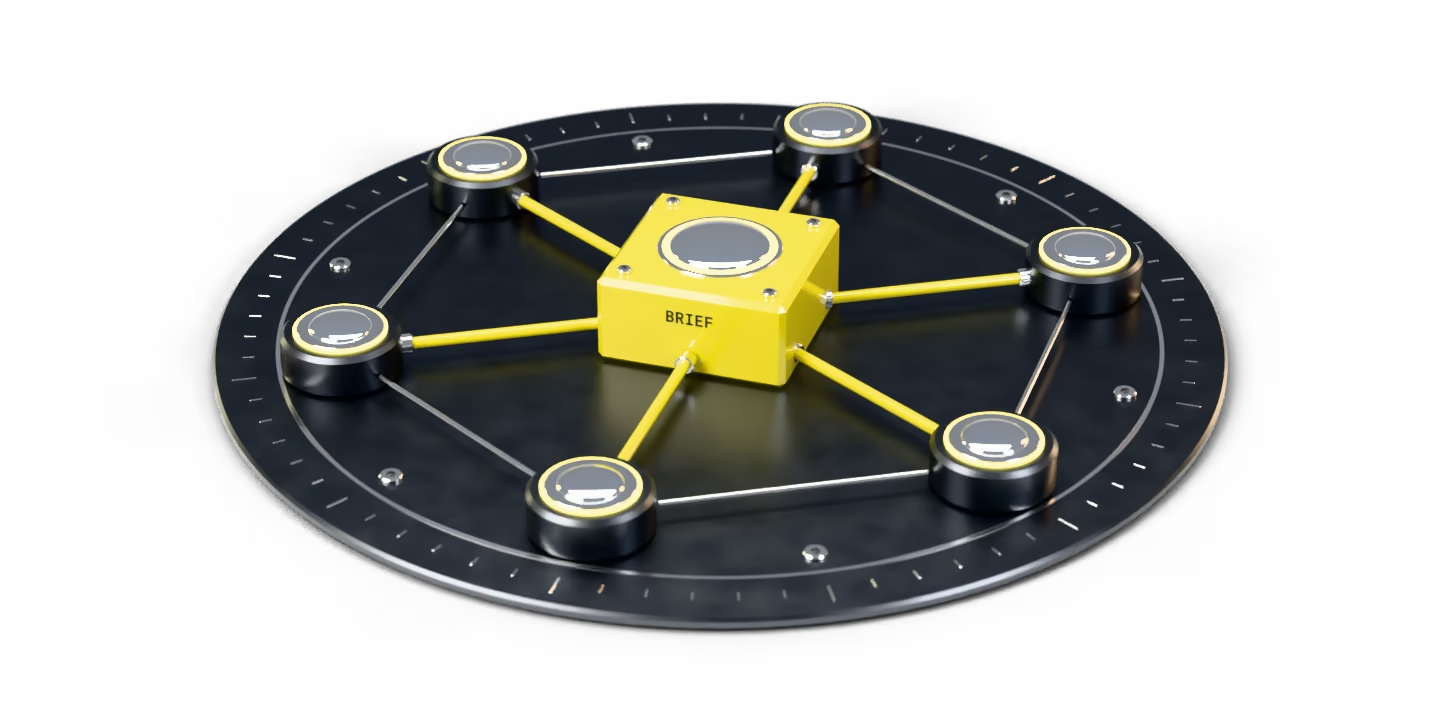
Four Years Into AI, I Feel Like a Builder Again
Nearly four years after ChatGPT launched, I'm more hands-on than ever. Here is what changed my mind about guardrails, code reviews and writing briefs.
I’m Andrew Yardley. Hands-on with AI, and excited by how it’s changing the way we build software. For 18 years I’ve been building and managing high-performing development teams. Now I build with AI agents myself, and I’ve led AI adoption with multiple teams.
How we build today won’t be how we build tomorrow. Context is key: a good brief and guardrails. Agent coordination is starting to become the norm.
Engineers drift easily, so we swarm on how we work and share the skills and agents that keep us consistent.
Things shift so fast that how we delivered last year is already dated. We keep reshaping it as a team.
Agents are great at delivery. People hold them to account on quality and set the guardrails, and leaders shape the product mindset that steers them.
02 / AI journey
My journal used to mix everything. AI moves faster than any other topic right now, so I’ve given it a log of its own.
Nearly four years after ChatGPT launched, I'm more hands-on than ever. Here is what changed my mind about guardrails, code reviews and writing briefs.
AI has made building your own tools cheap enough to sit on top of the products you already pay for. What that means for anyone selling software, and what stays hard to copy.
AI is accelerating delivery like nothing before it. Some things I think we need to pay attention to as leaders.
03 / Thoughts on leadership
Leadership and management craft, plus build notes from my own projects.
One piece of feedback showed me the gap between what I intend and what my team feel. Four years after ChatGPT, the hard part of AI adoption is still people.
I wanted to display my photography on an e-ink screen. The software to do it simply didn't exist, so I built it.
A developer starts a feature and finds vague requirements and no clear idea of done. How Definitions of Ready and Done cut rework and frustration in the teams I have led.
How I run 1:1s with the engineers I lead: building trust, removing blockers and making room for growth, with the simple habits that have worked for my teams.
04 / How I run this site
As a leader, I practise what I preach. I want to be hands-on with the AI tooling I encourage my team to use. I have let go of writing the code myself, and built a system of AI agents that helps me write, deliver and publish, with guardrails that keep the quality right.
How it works05 / Experience
FlatPlan
Running the engineering function as the sole engineering manager, helping an organisation with a strong startup mindset mature its processes and engineering operations. FlatPlan helps major publishers get their content onto Apple News, and make money there through insight.
ENSEK
Managed up to 12 people across an incident support squad and a product delivery squad, and led the organisation’s first AI tooling trial.
383 Project
Accountable for a 20-person engineering team across four countries, in a studio of around 60, and led company-wide AI adoption.
Verilan, Superdream, 383 Project
Web and backend engineering, then leading teams. Hotels, publishers and care sector clients.
06 / Projects
Open source Claude skills I built around my own way of working, shared in case they help someone else.
Claude Code, Skills, voice input(opens in a new tab)An open source server that turns photographs into images e-ink frames can display.
TypeScript, Next.js, Docker(opens in a new tab)A self-hosted API and dashboard for the roles I qualify with AI-assisted screening.
Next.js, TypeScript, Prisma, n8n(opens in a new tab)A word puzzle game with five attempts to crack a password, inspired by Mastermind and House of Games.
TypeScript, React, Next.js(opens in a new tab)07 / Contact
LinkedIn is the quickest way to reach me. I am happy to talk about AI adoption, engineering leadership, or the work above.